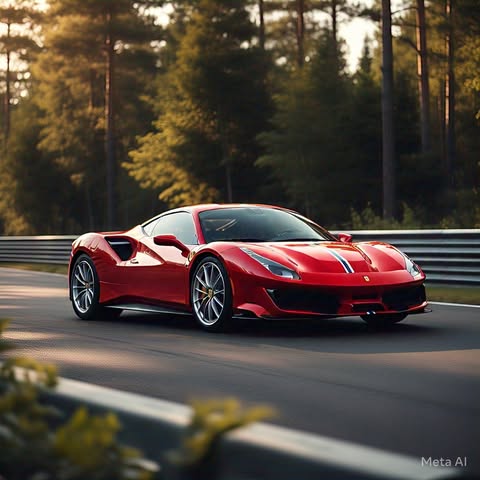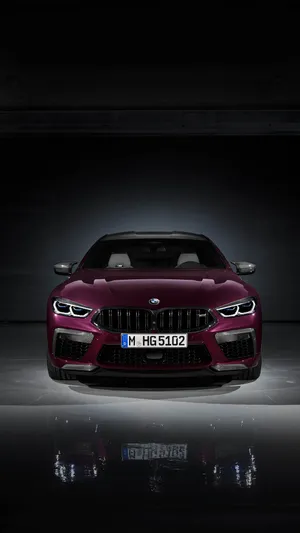
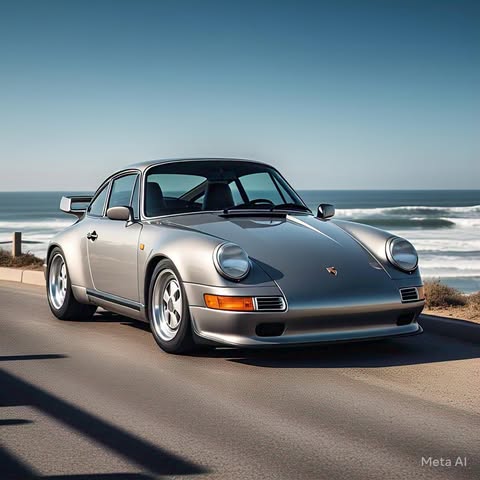
Few automotive brands command the same reverence as Porsche. With roots tracing back to the legendary 356 and the immortal 911, Porsche has long epitomized performance, precision, and a design language that’s as timeless as it is iconic. But with the rise of electric mobility, autonomous technology, and a shift in consumer behavior, a theoretical question emerges: Can Porsche evolve without compromising the soul that made it legendary?
Enter the Porsche Taycan, the brand’s first all-electric vehicle. It’s not just a car—it’s a statement. The Taycan reimagines what a Porsche can be, not by erasing its DNA, but by translating it into the language of the future. In many ways, this is Porsche’s answer to a modern dilemma: Can raw emotion and electric silence coexist on the same road?
Theoretically, the Taycan is a case study in harmony. Its design remains unmistakably Porsche—low-slung, muscular, with curves that whisper speed even at a standstill. Inside, it introduces digital luxury, with a sleek touchscreen interface, customizable driving modes, and sustainability-driven materials. Yet every element feels driver-focused, echoing Porsche’s deep-rooted philosophy: the driver comes first.
Where other electric cars chase range or novelty, the Taycan chases response and feedback. It’s not just about how far it can go, but how it makes you feel while getting there. The car’s 800-volt architecture allows for rapid acceleration, minimal weight transfer, and race-track-level performance—all without a drop of gasoline. Theoretically, this challenges the idea that electric equals emotionless. In Porsche’s hands, electricity becomes another tool for performance artistry.
What’s even more intriguing is how Porsche blends old and new across its lineup. The 911 Carrera, for example, still roars with a flat-six engine, embracing the analog purity beloved by purists. But behind the scenes, Porsche is steadily integrating hybrid technology and advanced telemetry. This approach reflects a broader philosophy: evolution, not revolution.
From a theoretical standpoint, Porsche is engaging in a balancing act. It’s not running away from its heritage—it’s embracing it while preparing for what lies ahead. This is evident in their investments in synthetic fuels, autonomous driving research, and sustainability initiatives across their production plants.
In conclusion, Porsche represents a fascinating intersection where legacy meets innovation. It refuses to be trapped by nostalgia or seduced by trends. Instead, it forges its own path—a path where performance is still sacred, but purpose and progress matter just as much. In a world of extremes, Porsche remains a brand of balance. And theoretically, that might be the most revolutionary stance of all.