When most people hear the word “blockchain,” they immediately think of Bitcoin or other cryptocurrencies. While it’s true that blockchain underpins the cryptocurrency world, its potential stretches far beyond digital coins. At its core, blockchain is a decentralized, transparent, and tamper-resistant digital ledger—and that concept could reshape how industries handle trust, security, and verification.
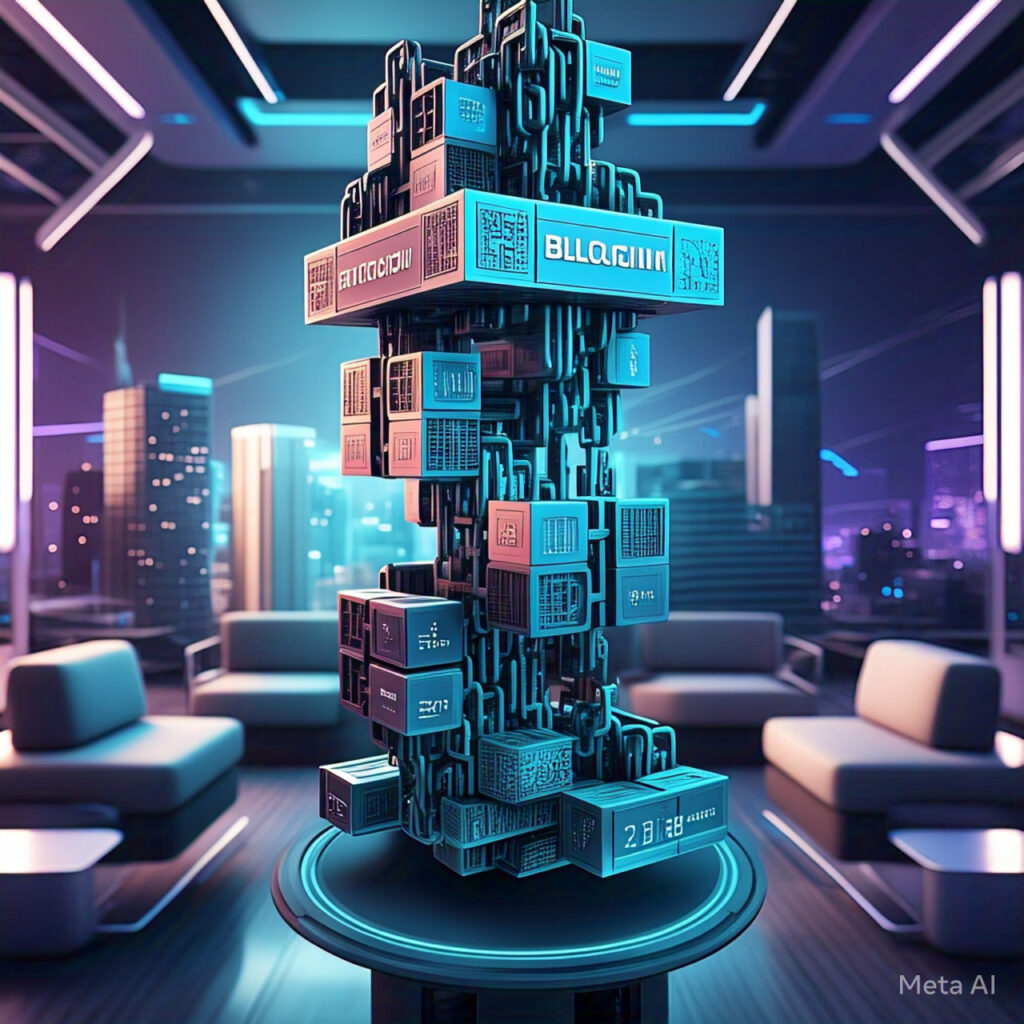
To understand blockchain’s true potential, let’s first look at how it works. A blockchain is composed of a chain of blocks, each storing a set of data—commonly transactions. These blocks are cryptographically linked to each other and distributed across a network of computers (nodes). Once data is written to a block and added to the chain, it becomes immutable, meaning it cannot be altered or deleted without consensus from the network.

The most powerful aspect of blockchain is its decentralization. Unlike traditional systems where a single entity controls the database (like a bank or a government), blockchain allows multiple parties to maintain and verify the data collaboratively. This reduces the need for intermediaries and creates a trustless environment—where participants don’t need to trust each other, but can trust the system.
Beyond finance, blockchain has transformative implications in various sectors:
-
Supply Chain Management: Blockchain can provide end-to-end visibility of goods, ensuring authenticity and traceability—especially important in industries like pharmaceuticals and food.
-
Healthcare: Patient records can be securely shared between providers, reducing errors and improving care while preserving privacy.
-
Voting Systems: With its immutability and transparency, blockchain could support secure and tamper-proof digital voting.
-
Smart Contracts: These are self-executing agreements coded onto the blockchain that run automatically when specific conditions are met—eliminating middlemen and enhancing trust in transactions.
However, blockchain isn’t without challenges. Scalability and energy consumption are two major concerns, particularly for blockchains that rely on proof-of-work consensus mechanisms. There are also regulatory and privacy considerations, especially when data immutability clashes with laws like GDPR, which require the right to delete personal information.
Despite these limitations, the theoretical foundation of blockchain is sound. As innovation continues—through alternatives like proof-of-stake, sharding, and layer 2 solutions—we’re likely to see blockchain evolve beyond its crypto roots into a core pillar of digital trust infrastructure.
So, is blockchain just about cryptocurrency? Not at all. It’s about redefining trust, transparency, and ownership in the digital age—and we’ve only scratched the surface.